How do you save energy with home automation? Short answer: home automation can help you save energy because heating, lighting and appliances are mainly on when they are needed, and because your own solar power is used at the right moment. Start with the heating, with a schedule per room; then expand with lighting, plugs and your solar panels. How much it saves differs per home. Updated 26 October 2026.
Home automation can help you run an efficient and comfortable home. By using smart technology deliberately, you can limit unnecessary consumption and add comfort. In this article you will read how home automation can make your home more efficient, which smart solutions can save energy, how to get started and what to look out for.
What exactly is home automation?
Home automation means smart control of your home. Think of devices, sensors and systems that work together through a central platform. These technologies can make your home respond to your daily routine and use energy more wisely. Smart lighting, heating, solar panels, smart plugs and automatic sun shading are some popular uses.
The difference with separate “smart gadgets” is how they work together. One smart lamp is handy, but only when lighting, heating and sun shading respond together to presence, time of day and weather can you gain in comfort and consumption.
Saving energy per application
Smart thermostats
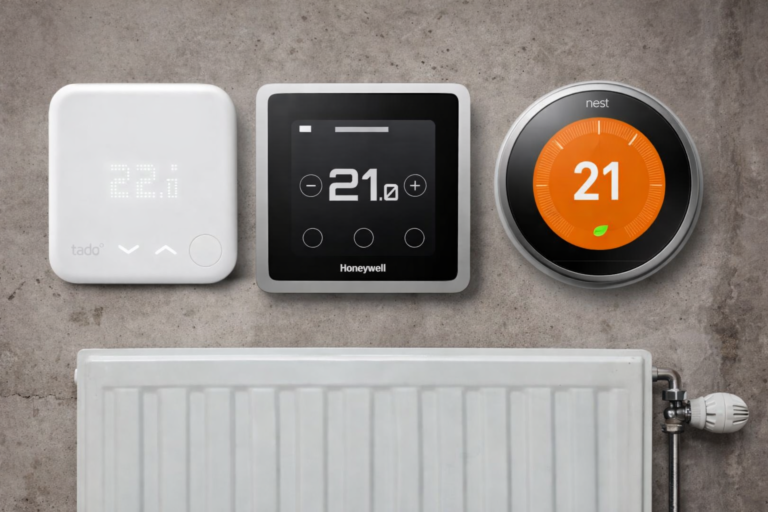
A smart thermostat is a logical place to start. It works with a schedule and adjusts the temperature to it, so the heating is mainly on when it is needed. You can also control the temperature remotely through an app. That can limit unnecessary heating. Heating per room is possible if the installation and the controls are suitable for it.
With tado° X the schedule per room is stored on the device itself and keeps working if the internet drops out. Read more about it at having tado° installed.
Smart lighting: only on when needed
Forgot to switch off the lights? With motion sensors and timers you can limit waste. Smart lamps can also be dimmed and controlled remotely. You can also set scenes, such as an evening or holiday setting. That way the lights are less often left on for nothing.
Smart plugs and energy insights
With a smart plug with a metering function you can see how much electricity an appliance uses. You can switch appliances off automatically when you leave the house. Energy management apps let you link compatible smart devices and give you a clear overview of your consumption. Good to know: appliances on standby also use electricity when you are not using them. With a smart plug you can see how much, and switch them off.
Automatic sun shading and smart shutters
Let the sun warm your home in winter and keep the heat out in summer. With automatic sun shading and smart roller shutters you can automate this. That can reduce the need for cooling or heating.
Smart energy use with solar panels, charging station, home battery and heat pump
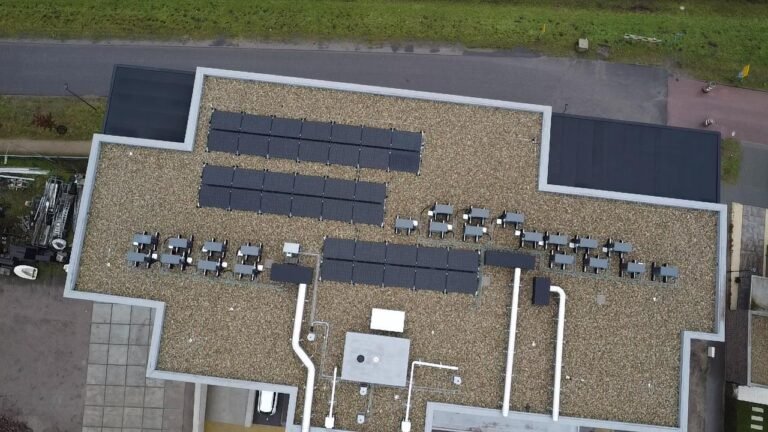
Solar panels give you your own electricity. Link them to your home automation system and you can make better use of that electricity. With smart control you use power at the right moment and feed less back into the grid. That is becoming more important: the Dutch net metering scheme (salderingsregeling) ends on 1 January 2027. Instead, you put that power to smart use right away, for example through:
- Charging station for electric cars: with a suitable charging point and installation you can let the car charge automatically on sunny moments. That way you can drive more on your own power.
- Home battery integration: a smart home battery stores the solar energy you produce for later use. With automation and a dynamic energy contract you can charge the battery at low prices and discharge it during price peaks. For a small start there is the plug-in home battery.
- Linking a heat pump to solar production: with a suitable heat pump, smart control can let it run at moments of surplus production. That way you can turn your own power into heat.
If you bring these technologies together in one smart system, and your installation is suitable for it, you can use more of your own power and draw less from the grid.
Smart energy management: everything in one app
With a well-chosen system, compatible devices can communicate with each other and be controlled from one app. That gives you overview, control and insight. Whether you are at home or away, you can control your home. That can give more insight and ease of use. Want to look a step further? Then also read our article about a future-proof smart energy system for your home.
How do you get started with home automation?
You do not have to automate your whole home at once. You can start small and expand the system step by step. A logical order is:
- Start with heating: a smart thermostat is a logical first step.
- Add lighting and plugs: choose compatible products and, for insight into consumption, plugs with a metering function.
- Automate comfort: sun shading, shutters and scenes that respond to time or presence.
- Link your energy generation: integrate solar panels, battery and charging point to use more of your own power.
What should you look out for when choosing?
The biggest pitfall with home automation is that separate devices from different brands do not work well together. So look for open standards such as Matter and Zigbee, which can support cooperation between compatible devices from different manufacturers. Check per device and platform whether it works together. Zigbee does need a hub, and Matter devices that work over Thread need a Thread border router. That reduces the risk of being locked into one ecosystem and keeps your system easier to expand. Which systems we connect, you can read at home automation and smart home.
Also think about privacy and security. Some smart devices process data through an internet connection. So choose reliable brands that release software updates regularly, and secure your network with strong passwords. A well-designed and maintained system can limit security risks.
How much can you save with home automation?
The saving differs widely per household and depends on your current consumption, your home and the solutions you choose. There is often something to gain in heating. By only heating and lighting where and when it is needed, and by making smart use of the power you generate yourself, consumption can go down. Important to remember: home automation can mainly help by limiting waste you would otherwise not even notice.
Frequently asked questions about home automation
Is home automation only for new builds?
No. Many smart solutions, such as thermostats, plugs and lamps, can also be used in existing homes. Whether any breaking-out work is needed depends on the product and the installation.
Does home automation still work if the internet goes down?
Many systems keep running basic functions locally, even without internet. Functions such as remote control and cloud-based automations only work again once the connection is back. Preferably choose systems that keep working locally. With tado° X, for example, the schedule per room keeps working because it is stored on the device itself.
Conclusion: home automation can limit unnecessary consumption
Home automation can help you use your home in a smarter and more efficient way. By automating, your energy consumption can go down. Start small with smart plugs or lighting, or choose a complete system. That way you invest in comfort and in the chance to limit unnecessary consumption. Not sure which thermostat fits? Then read which smart thermostat our customers choose.