Short answer: a future-proof energy system links your solar panels, home battery, heat pump and charging point to an energy management system that coordinates them. Because the Dutch net-metering scheme ends on 1 January 2027, it becomes more important to use as much of your own solar power as possible; smart control helps with that, as far as your appliances support it. Updated 26 October 2026.
The energy transition is in full swing. More and more households choose sustainable solutions such as solar panels, heat pumps, home batteries en elektrische auto’s. Maar zonder slimme aansturing blijven deze systemen los van elkaar werken, en blijft een deel van hun potentieel onbenut. Een slim energiesysteem brengt die onderdelen samen tot één geheel dat automatisch keuzes maakt.
Bluefeed puts together energy solutions that work together and respond to your energy use. That way you use more of your own power, today and tomorrow. In this article you will read why a future-proof energy system is becoming more important, how it works, what it delivers and how to start step by step.
Why a future-proof energy system is needed
We use more and more electricity. At the same time, solar panels sometimes feed back more power than the grid can handle. The net-metering scheme ends on 1 January 2027, energy prices vary by the hour on a dynamic contract, and grid congestion is becoming more common.
These developments change the rules. Where you used to feed power back without a second thought and offset it against your consumption, it now becomes attractive to use as much of the energy you produce as possible yourself. A future-proof energy system responds to this: it balances supply and demand, uses as much of your own power as possible and limits expensive purchases. Instead of separate devices, you get one system that works as a whole.
The building blocks of a smart energy system
A smart energy system is made up of a number of components that strengthen each other. Not every household needs all of them; the strength lies in the combination and the control.
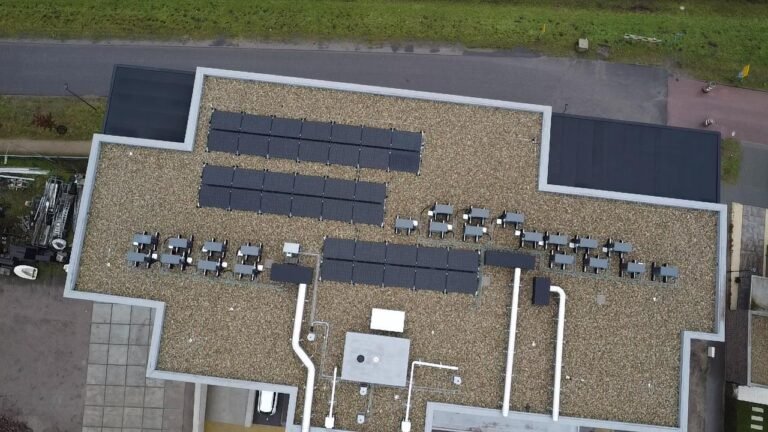
- Solar panels as a source of your own sustainable generation.
- A home battery to store power generated during the day for the evening.
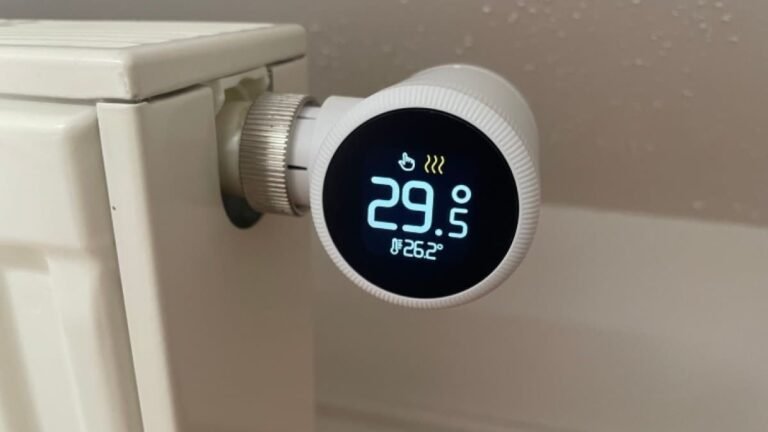
- A heat pump that can preheat or buffer at favourable moments.
- A charging station that charges the electric car when the sun shines or power is cheap.
- An energy management system (EMS) that controls everything and keeps track of the priorities between them.
How does a smart energy system from Bluefeed work?
With an energy management system we link your solar panels, heat pump, home battery, charging point and other appliances to each other, as far as those appliances support a link. Everything communicates through one central platform. Such a system can do the following:
- Distribute energy smartly over the day
- Let devices switch automatically at peak times
- Limit overloading of your grid connection
- Control your home battery and charging station based on generation and tariffs
More than just monitoring
Many systems only offer insight. An energy management system goes further: it makes decisions based on your situation, the weather forecast and current electricity prices, and controls the appliances that are suitable for it.
Your home battery charges when there is a large power surplus. The heat pump runs at the moments when it is cheapest. And your electric car charges outside peak hours. That saves on purchased power and relieves the grid. The difference between monitoring and control is exactly where the gain lies: knowing what you use is useful, but acting on it automatically is what really pays off.
Benefits of an integrated energy system
A future-proof system offers more than convenience. What it can deliver:
- Buy less power: by switching smartly, you use power when it is cheap or self-generated.
- More independence: you use more of your own energy and depend less on the grid.
- Less grid load: you help create a more stable energy grid, which is also needed for the future.
- Ready for dynamic energy tariffs: your system uses the hourly prices of your contract and acts on them.
- Higher self-consumption: you use a larger share of your own solar power, which becomes more important from 2027 without net metering.
What does it deliver and what about the payback time?
The exact return differs per home and depends on your consumption, your generation, your energy contract and the appliances you connect. Still, the common thread is clear: the more of your own power you use yourself, the less you have to buy at the full rate. Now that the net-metering scheme ends on 1 January 2027 and dynamic contracts become more common, smart control becomes financially more interesting. The possible payback period differs per home and depends on your own figures.
Everything controlled from one clear app
In the app of the energy management system you see what is happening. You can adjust things yourself where needed, but the system works largely automatically. That gives you control over your energy without dealing with it every day. Want to know how smart control in the home goes further? Then also read our article on saving energy with home automation.
Who is this suitable for?
Whether you are just starting with solar panels or already have a complete system with a charging point and home battery: we coordinate the components. Bluefeed helps both private and business customers with a solution that grows with you. Precisely because a system is modular, getting started is easy: you begin with what you have and expand later. Read more about what we do on our page sustainable energy solutions.
Four steps to a smart energy system
- Inventory: we map out your current consumption, generation and devices.
- Design: based on that, we put together a system that suits your home and wishes.
- Installation: we connect the components and set up the smart control.
- Optimisation: after commissioning we keep an eye on it and make adjustments, where your system allows it.
Frequently asked questions
Do I really need a home battery?
No. A home battery increases the options for storing your own power and using it later, but a smart energy system can also deliver benefits without a battery by controlling appliances based on generation and prices.
Does it also work with my existing solar panels?
In most cases, yes. A smart energy system is meant to connect and control existing components, so you do not have to replace everything. Whether your inverter or battery supports a connection is something we check during the inventory.
Ready for the next step?
A future-proof energy system is no longer a luxury but a logical step. It can lower the amount of power you buy and helps make your home more sustainable. Get in touch with Bluefeed for personal advice on your situation.
Sources: Dutch government and Senate, bill 36611 (end of the net-metering scheme on 1 January 2027); Bluefeed's own working method with an energy management system (2026).