What does the EU Data Act mean for your smart home or business? Short answer: since 12 September 2025 you have a right to the data your smart devices generate through your use, and you may have it shared with a party of your choice. This also applies to private individuals (source: European Commission). Updated 27 October 2026.
The EU Data Act has applied since 12 September 2025 (source: European Commission). This law sets out who has access to the data that connected devices generate. That matters for a smart thermostat, charging point, home battery, solar panels or any other connected device. In this article you can read what the Data Act involves, which rights you get and what to look out for.
Why the Data Act?
The EU wants data from connected devices not to stay only with the manufacturer. According to the European Commission the Data Act ensures that:
- Owners and users of devices have a right to the data created through their use, and may have it shared with a third party.
- Unfair contract terms between businesses that block data sharing are prohibited.
- Public authorities can request data from businesses in an emergency, under conditions.
- There are rules for switching to another cloud service. From 12 January 2027, providers may no longer charge switching fees for this.
What exactly does the Data Act regulate?
The core of the law is access and control. Anyone who uses a connected product has a right to the data created by that use, and may decide whether that data is shared with a third party. The law should also ensure that connected devices on the European market are designed so that data sharing is possible (source: European Commission).
A second part concerns switching cloud services. The law makes switching to another provider easier; until 12 January 2027 providers may still charge for switching (source: explanation by the European Commission). For the smart home and energy world, this can increase the freedom to choose between platforms and services.
What does this mean for smart homes and businesses?
If you have a smart energy system, the Data Act can offer opportunities. A few examples:
- With a smart charging point or battery, you have a right to the data created through your use. Exactly which data that is differs per device.
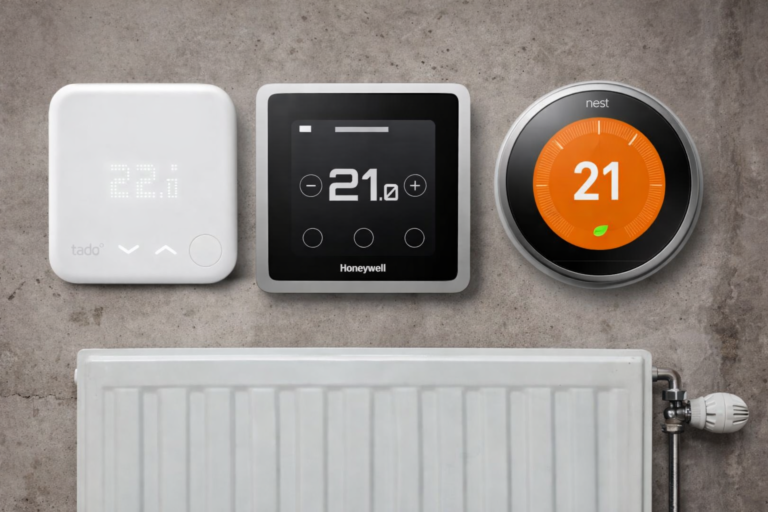
- You can have the data from your smart thermostat or energy management system shared with another provider of your choice.
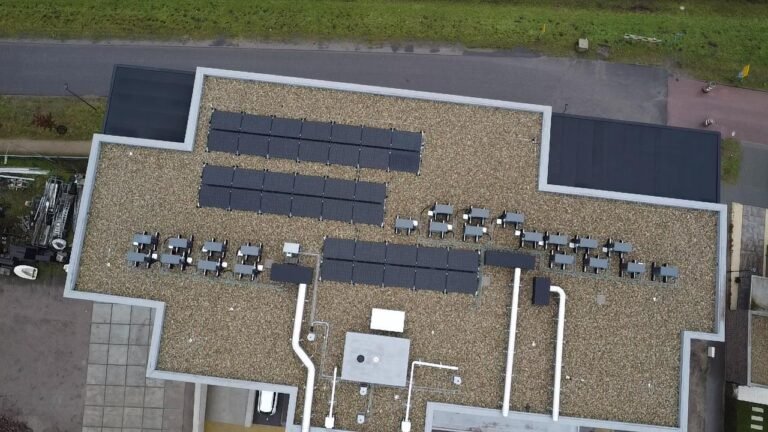
- For businesses with connected installations (such as solar panels with monitoring), it can become easier to link systems and exchange data.
These examples follow from the right to access and share (source: European Commission). If, for example, you want another party to analyse your consumption data, the law gives you the right to do so. How you can use that data to save energy is explained in saving energy with home automation.
Points of attention around privacy and security
More access to data also brings responsibility. If you share your data with a third party, know with whom and for what. The Data Act sits alongside the privacy rules (GDPR), which continue to protect personal data: if you are not the person the data is about, personal data may only be shared if there is a valid legal basis, such as consent (source: European Commission). For consumers the main point is: share consciously and read the terms before you give access.
How do you prepare?
It is sensible to:
- Check, with a new device, whether you can view and share the data yourself.
- Know your rights: you may view data and have it shared with a third party, for example for energy monitoring or maintenance.
- Read agreements carefully and not accept unfair terms on data use.
Bluefeed as a partner
Bluefeed supplies smart energy solutions, from solar panels and battery systems to smart control and monitoring; see sustainable energy solutions and home automation and smart home. Curious how such a system fits together? Then also read our article on a future-proof smart energy system.
Frequently asked questions about the EU Data Act
Does the Data Act also apply to private individuals?
Yes. According to the European Commission the rights apply to anyone who owns, rents or leases a connected product, including private individuals. For you, this mainly means a right to your own data and the choice of who you share it with.
What is the difference with the GDPR?
The GDPR protects personal data and sets out how it may be handled. The Data Act is broader and covers access to and sharing of the data that devices generate, personal or not. The two laws apply alongside each other (source: European Commission).
Do I need to replace my smart devices?
The right applies to the data created through your use. If you choose a new device, check whether you can view and share the data yourself.
Conclusion
The EU Data Act gives users a right to the data their smart devices generate, and the choice of who they share it with (source: European Commission). If you choose a new device, check whether you can view and share that data yourself.